Aging brings many shifts, but one of the quietest and most challenging is the shrinking of a person’s social circle. As friends move away, mobility becomes limited, or adult children juggle busy schedules, daily life can grow increasingly quiet. What starts as extra downtime can quickly turn into profound isolation.
Addressing senior loneliness is not merely about keeping someone busy; it is about supporting physical, mental, and emotional health. Through dedicated companion care, seniors receive the steady presence, engaging interaction, and practical support needed to thrive safely at home.
Key Takeaways
- Prolonged social isolation can pose serious risks to seniors’ physical and cognitive health.
- Professional companion care offers meaningful human connection, conversation, and daily emotional support.
- Regular interaction can support cognitive function and mood and encourage physical activity.
- Companionship builds an essential bridge between staying independent and staying safe.
- Avid Health at Home integrates intentional companionship into comprehensive, personalized in-home care plans.
Why Loneliness Is a Health Issue, Not Just a Feeling
It is easy to view senior loneliness as a seasonal feeling or an unavoidable part of aging, but public health experts recognize chronic social isolation as a major public health risk.
When seniors lack regular human interaction, the impact ripples across every aspect of their physical and mental health:
- Cognitive Decline: Without regular social connection, older adults may be more likely to experience changes in memory and thinking over time.
- Depression and Anxiety: Social isolation can create feelings of sadness, low energy, and anxiety, making daily routines feel overwhelming.
- Physical Health Risks: Chronic loneliness and social isolation are linked with higher blood pressure, weakened immunity, and increased risk of heart disease.
- Decreased Activity: Social isolation may also make it harder to stay active. Older adults who maintain regular social contact may be more physically active.
Recognizing the early signs of loneliness can help families offer support before isolation impacts their loved one’s independence.
The Power of Practical, Everyday Companionship for Seniors
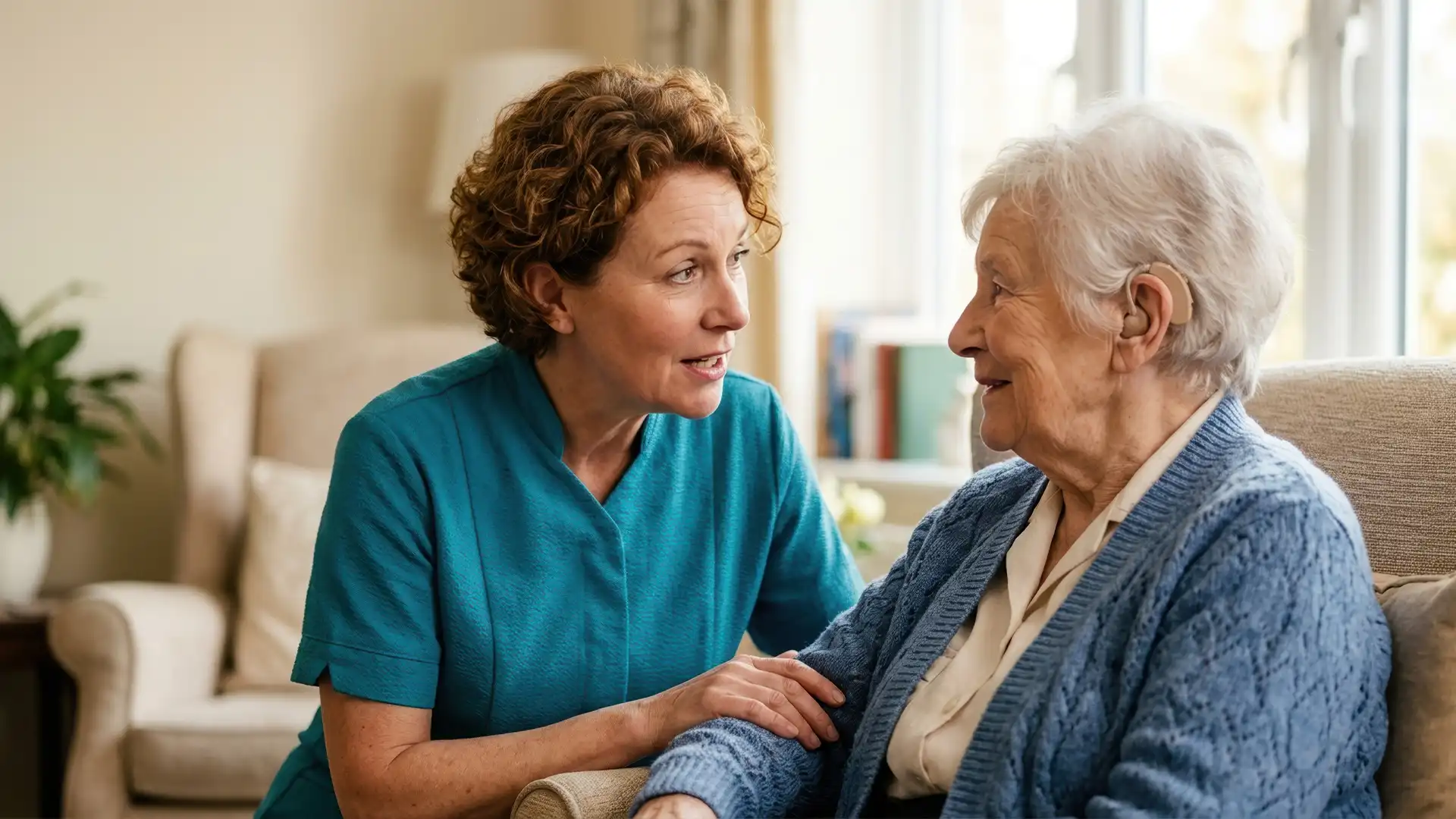
Companion care goes beyond watching over a senior’s safety; it centers on sharing real life together. A professional companion steps in as a trusted source of support and reliable partner in daily activities.
Caregivers provide emotional and social stimulation through simple, meaningful interactions:
- Meaningful Conversation: Sharing stories, talking about current events, or simply recounting past memories can help keep the mind active and validate the senior’s life experiences.
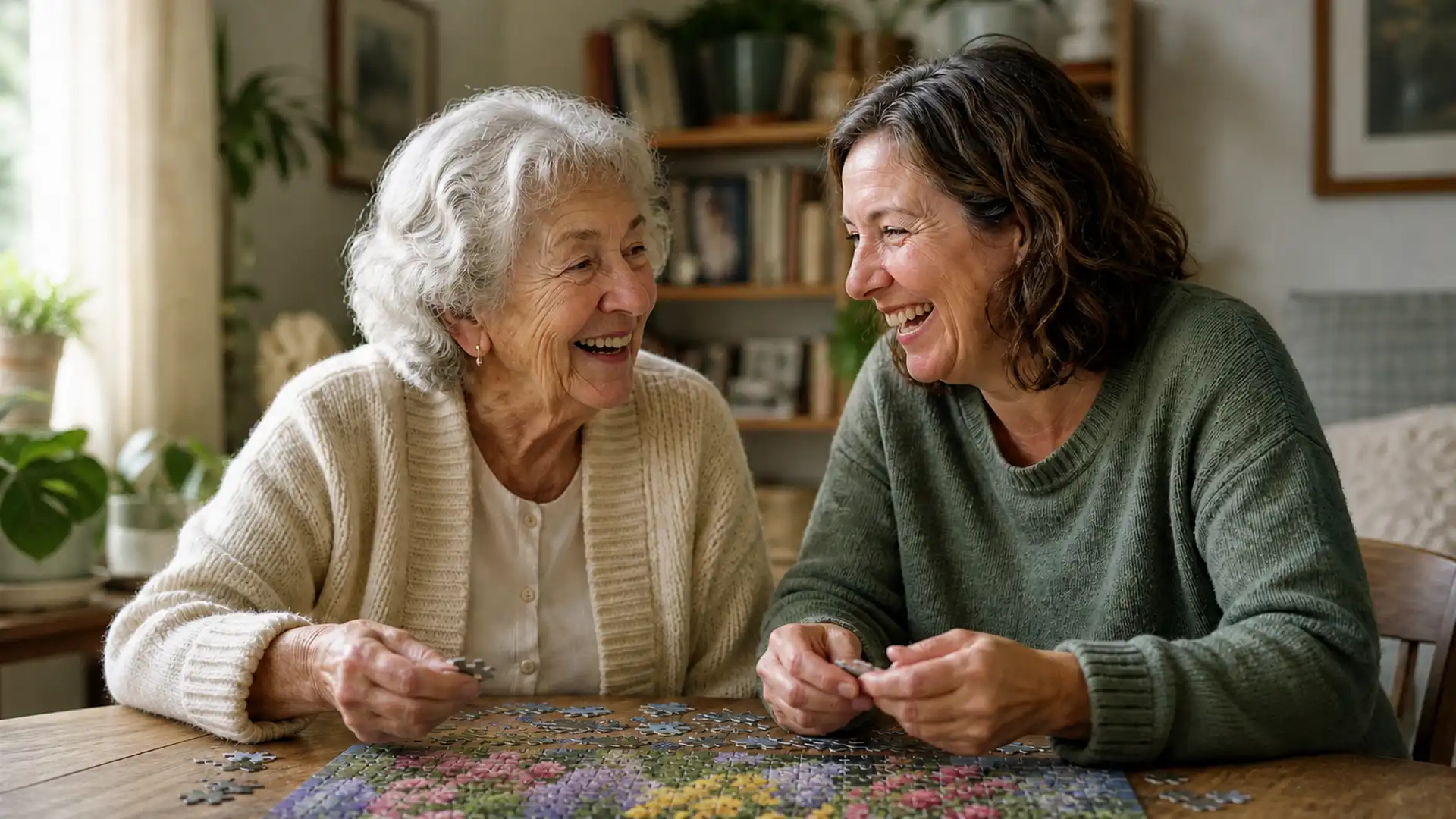
- Shared Hobbies and Leisure: Whether working on a jigsaw puzzle, tending garden plants, listening to records, or baking a classic recipe, hobbies can add enjoyment and purpose to everyday life.
- Community Connection: Companions assist with outings, whether driving to a local coffee shop, visiting a community center, or attending place-of-worship services.
- Routine Assistance: Joining a senior for meals, assisting with light housekeeping, or accompanying them on neighborhood walks turns ordinary tasks into pleasant social moments.
How Connection Boosts Overall Senior Wellbeing
When a senior feels valued, understood, and connected, their entire day changes. The positive effects of continuous senior wellbeing efforts touch every area of life:
Restored Sense of Purpose
Having a friendly face arrive each day gives seniors a consistent event to look forward to. This predictable structure can provide something to look forward to while supporting connection and a sense of purpose.
Support with Daily Routines
A consistent caregiver may notice subtle shifts in appetite, mood, or physical balance and share concerns with the family when needed. Companions also offer gentle medication reminders, cook fresh meals, and encourage proper hydration.
Reassurance for Family Members
Family caregivers cannot be everywhere at once. Knowing a compassionate caregiver is spending quality time with an aging parent can reassure adult children balancing careers and families of their own.
Restore Connection and Peace of Mind With Avid Health at Home
No senior should have to navigate aging in isolation, and no family should have to carry the emotional burden alone. High-quality in-home care brings companionship, support, and meaningful connections into the place your loved one loves the most.
At Avid Health at Home, our compassionate caregivers are carefully selected to provide person-centered companion care tailored to your family’s unique routine, personality, and hobbies. We focus on helping older adults live safely, comfortably, and as independently as possible on their own terms.
Reach out today to explore our personalized in-home care services or contact Avid Health at Home to schedule an in-home assessment for your loved one.