For many older adults and their families, a close call with a fall creates a lingering sense of anxiety about living safely at home. The good news is that experiencing a near-miss does not mean you have to give up your independence. With a proactive approach, you can create a secure living environment that protects your physical well-being, peace of mind, and freedom to move comfortably in your own space.
Key Takeaways
- Prevalent risk: Falls remain a leading cause of injury among aging adults, but most home hazards can be easily modified.
- Simple adjustments: Environmental changes like clearing clutter, improving lighting, and securing rugs quickly improve senior home safety.
- Physical wellness: Maintaining strength, balance, regular vision checks, and medication reviews play a vital role in preventing falls.
- Daily support: Receiving assistance with high-risk tasks, like bathing and mobility transfers, lowers fall risk significantly.
- Independence: Building a safer home environment protects both daily confidence and overall independence.
Common Causes of Falls at Home
Understanding why falls happen is the first step toward effective fall prevention that seniors can rely on. Most home accidents result from a combination of environmental hazards and subtle physical changes:
- Environmental hazards: Loose throw rugs, trailing electrical cords, clutter in walkways, and dim or inconsistent lighting make everyday navigation tricky.
- Wet or slick surfaces: Smooth tiles, slippery showers, and uncarpeted stairs lacking sturdy handrails pose frequent tripping hazards.
- Physical factors: Muscle weakness, joint stiffness, changes in balance or vision, and transient dizziness when standing up can compromise stability.
- Health considerations: Certain prescription medications, blood pressure fluctuations, and uncorrected vision changes make it harder to spot obstacles in your path.
Room-by-Room Safety Steps
Addressing fall hazards room by room breaks home safety modifications down into simple, manageable tasks. The most common places for falls in the elderly are indoors, especially in the bedroom, bathroom, and stairs.
Bedroom
Position a bright lamp, nightlight, or touch-activated light within easy reach of your bed to eliminate walking in the dark. Keep a clear, unobstructed path from the bed to the bathroom for seamless nighttime navigation.
Bathroom
Installing professionally anchored grab bars near the toilet and inside the shower provides reliable leverage. Placing non-slip rubber mats inside and outside the tub, along with using a secure shower seat, turns daily hygiene into a safe, comfortable routine.
Stairs and Hallways
Ensure sturdy, continuous handrails are firmly mounted along both sides of all staircases. Stair treads should be clear of any shoes, books, or decorative items, and light switches should be easily accessible at both the top and bottom of the landing.
Living Areas
Remove loose accent rugs or secure their edges firmly with heavy-duty double-sided rug tape. Keep main walking paths free of low coffee tables, footstools, cords, and clutter so you can move smoothly between rooms.
Health Habits That Reduce Fall Risk
In addition to adjusting your living space, incorporating stability-focused health habits strengthens your body and boosts daily confidence:
- Engage in gentle movement: Regular physical activities like walking, gentle stretching, or balance exercises strengthen leg muscles and improve posture.
- Schedule health reviews: Have your primary care physician review your medications regularly to identify drugs that cause drowsiness or dizziness. Schedule annual eye exams to keep corrective prescriptions up to date.
- Wear supportive footwear: Choose well-fitting shoes with non-skid soles for daily indoor wear.
- Stay hydrated: Drink plenty of water throughout the day to prevent dehydration.
How In-Home Support Helps
Even after making environmental fixes, having an extra set of hands during daily routines makes a significant difference. Integrating professional in-home care into your schedule adds an extra layer of protection:
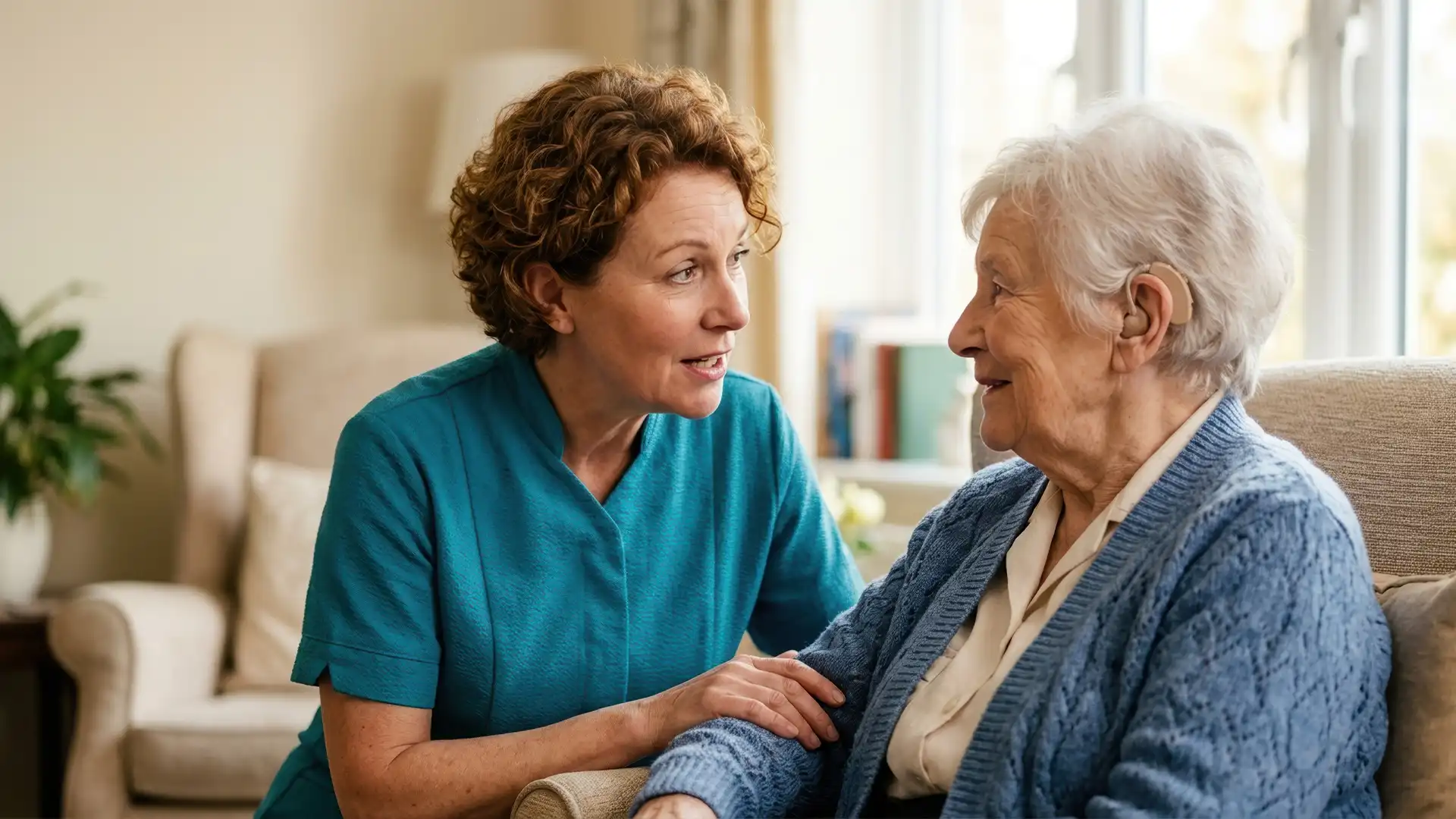
- Mobility and transfer assistance: Caregivers provide physical support when standing from a favorite chair, walking between rooms, or getting out of bed.
- Bathing and dressing care: Having respectful personal care assistance during slippery or physically demanding tasks minimizes fall risks.
- Steadying presence: Trained caregivers offer a reliable hand while helping with light meal preparation and light household chores.
- Ongoing vigilance: An attentive caregiver notices subtle changes in mobility, energy levels, or environmental hazards before they lead to an accident.
Create a Safer Home With Avid
Making your home safe and secure should feel empowering, not overwhelming. At Avid Health at Home, we believe every individual deserves to feel confident, safe, and independent in their home environment.
Our dedicated personal care and mobility support services are designed around your specific routine, home layout, and lifestyle preferences. Through carefully matched, compassionate caregivers, Avid Health at Home delivers custom in-home care plans that prioritize safety, dignity, and peace of mind.
If you or a loved one is ready to take proactive steps toward a safer home, contact Avid Health at Home today to discuss how our personalized care options can support your fall prevention goals.