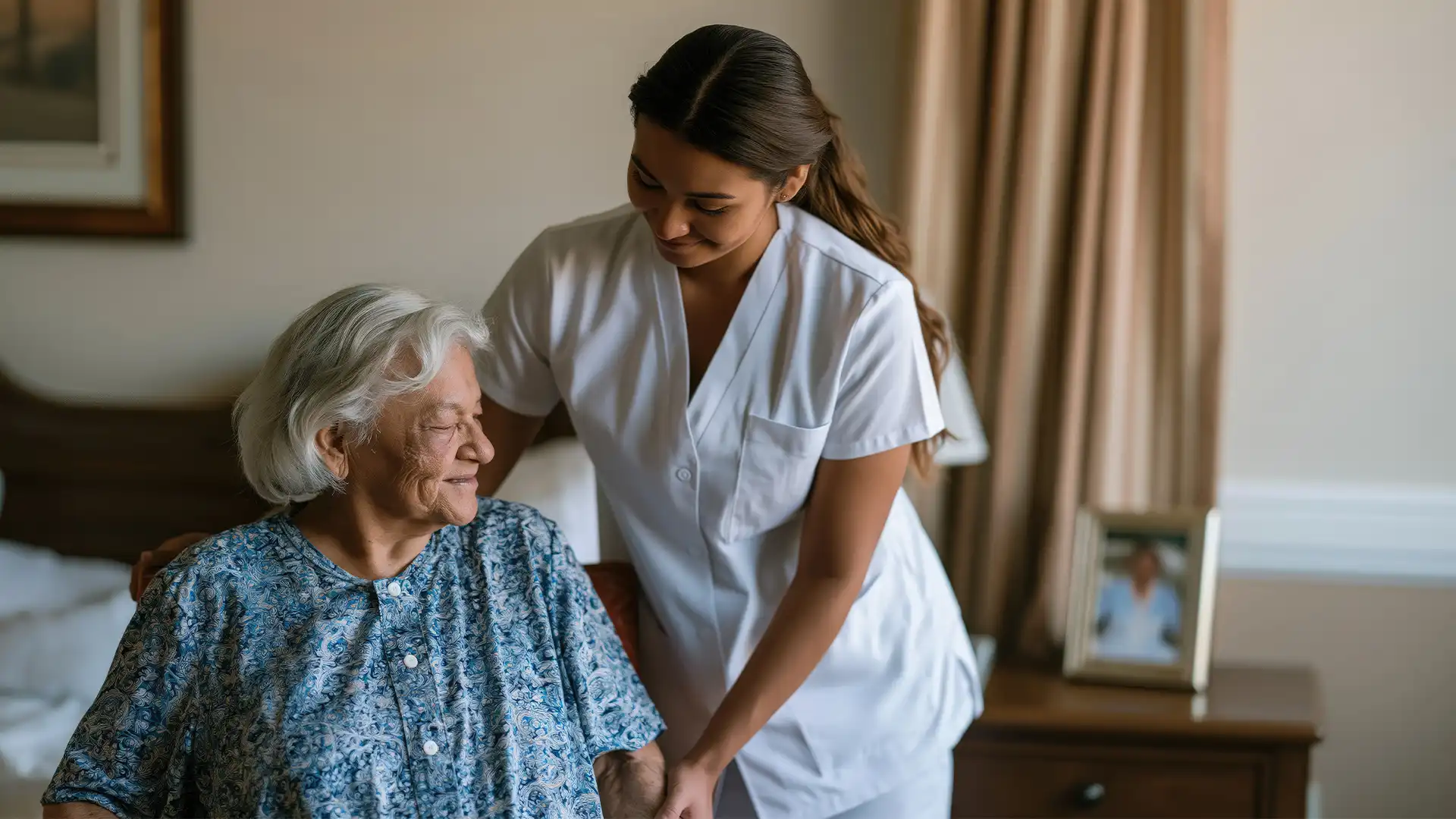
If you’re considering a caregiving career, or you’ve just begun, one thing quickly becomes clear: this isn’t a typical 9-to-5 role. It’s personal, hands-on, and often unpredictable. Some parts of the day feel routine, while others may challenge you in unexpected ways. That’s not a drawback, it’s the nature of meaningful, human-centered work.
Caregiving blends practical skills with emotional awareness. It can be physically demanding and emotionally complex, but it’s also deeply rewarding. Few careers offer the same opportunity to make a visible, daily impact on someone’s quality of life by helping them remain safe, comfortable, and independent in their own home.
Starting the Day: Building Trust Through Routine
Most caregiving shifts begin with consistency. Arriving on time and ready to engage helps establish trust and sets a steady tone for the day.
Mornings often start with a quick safety check. Are walkways clear? Has anything changed overnight? These small observations help prevent issues before they arise.
From there, caregivers assist with personal care, which often involves helping clients get out of bed, bathe, groom, and dress. These tasks require patience, respect, and sensitivity to each individual’s comfort level.
Breakfast follows, with meals tailored to dietary needs and preferences. Some patients need full preparation, while others benefit from gentle support to maintain independence. Medication reminders may also be part of the routine, helping clients stay consistent with their care plans.
Before moving on, caregivers often help plan the day by confirming appointments, suggesting activities, or guiding light exercise. Structure provides stability, but flexibility remains essential.
Midday: Care That Goes Beyond Tasks
As the day progresses, caregiving becomes less about routine and more about connection.
Midday responsibilities may include light housekeeping, such as laundry, dishes, and tidying. These tasks support a safe and comfortable living environment. Lunch preparation continues the focus on nutrition and personal preference.
Some days involve accompanying clients to appointments or running errands. Other days are quieter, spent at home. Regardless of the setting, engagement is key.
Caregiving isn’t just about completing a checklist. It’s about being present through sharing conversations, watching a favorite show, or simply sitting together. For many clients, especially those who are homebound, this companionship helps reduce isolation and improve overall well-being.
Ending the Day: Ensuring Continuity of Care
As the shift winds down, the focus turns to communication and preparation.
Caregivers may assist with a snack or early dinner, maintaining consistency with earlier routines. Documentation is also essential. Care notes capture important details such as meals, activities, mood changes, or anything out of the ordinary. These updates ensure continuity and help the broader care team stay aligned.
Early awareness supports better outcomes. If something seems off, clear communication with a supervisor or care coordinator is critical.
Before leaving, caregivers make sure the client is safe and comfortable. Essentials are within reach, the environment is secure, and there’s a clear plan for the hours ahead. It’s a simple but meaningful way to close the day.
The Reality: Challenges and Rewards
Caregiving isn’t always easy. Some days are physically demanding, especially when assisting with mobility or personal care. Others can be emotionally heavy, particularly when supporting someone through illness or life transitions.
The rewards are just as real. Caregivers build meaningful relationships rooted in trust and consistency. Over time, small moments like a smile, a conversation, or a sense of calm become powerful reminders of the difference they make.
There’s also a strong sense of purpose. Caregivers are helping people maintain dignity, independence, and comfort in a place that feels like home.
Growing With the Right Support
Navigating those challenges—and fully experiencing those rewards—is easier when you’re not doing it alone. For those drawn to this work, having the right support system is essential. Avid Health at Home emphasizes personalized care, ongoing training, and strong communication between caregivers, families, and care teams.
With comprehensive onboarding, continuous learning opportunities, and a collaborative environment, caregivers are equipped to grow in both skill and confidence. Flexible scheduling and consistent work further support long-term success.
At its core, caregiving is about showing up for tasks, for conversations, and for people. It’s a role that asks a lot, but offers a clear and meaningful sense of impact in return.