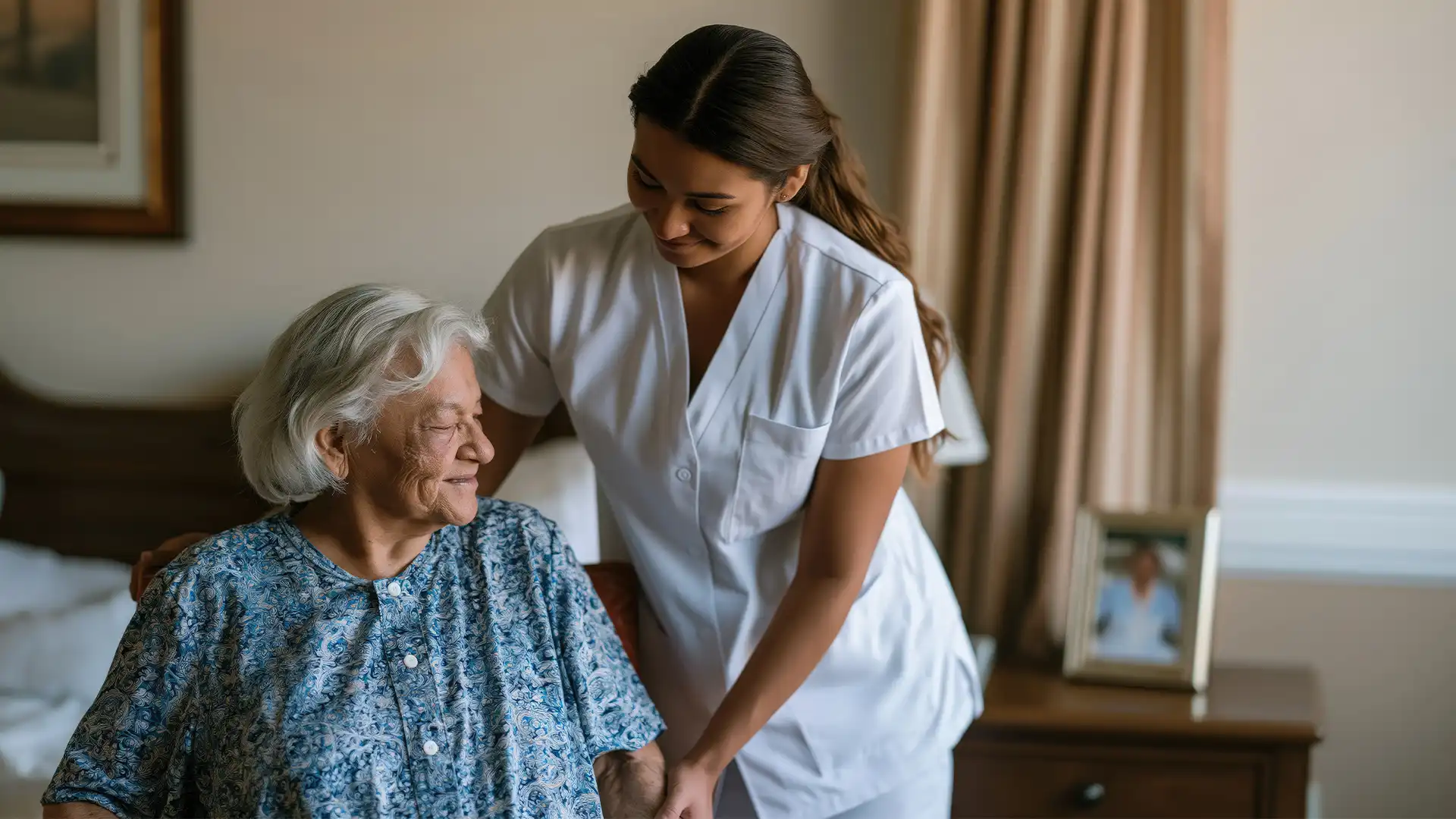
If you’re caring for someone with dementia, you already know that the days are rarely predictable. What one day feels manageable can turn overwhelming the next, and the instinct to keep your loved one somewhere familiar, somewhere that still feels like theirs, is a natural one. In-home memory care is built around that instinct. It brings specialized support directly into the home, so your loved one can stay surrounded by the people, routines, and spaces that mean the most to them.
Key Takeaways
- Familiar surroundings can ease anxiety and confusion for people with dementia.
- Consistent routines and a safe home reduce agitation and risk.
- Specialized caregivers use approaches suited to memory loss.
- Family caregivers need support and respite to avoid burnout.
- Care adapts as dementia progresses through its stages.
Why Home Can Be the Right Setting
For someone living with dementia, familiar spaces and objects can reduce confusion and ease anxiety in ways a new environment simply can’t. The layout they know, the chair they always sit in, the photos on the wall, these small constants offer a sense of orientation when so much else feels uncertain.
Staying home also means care can be built around your loved one’s own routines rather than a facility’s schedule. That flexibility matters. It allows for the kind of one-on-one personal care that supports both dignity and connection, and it helps preserve a sense of independence that’s easy to lose in unfamiliar settings. For many families, home is where their loved one can still feel like themselves.
Creating a Safe, Calm Environment
A dementia-friendly home doesn’t require a complete renovation, but a few thoughtful adjustments go a long way. Start by reducing clutter and removing trip and fall hazards from walkways and frequently used rooms. Simple labels, visual cues, and uncomplicated layouts can help with orientation and reduce the frustration that comes with confusion.
Securing exits and other hazards is also important for preventing wandering, which is one of the more common safety concerns families face. Beyond physical safety, the sensory environment matters too. Keeping lighting steady and noise levels low helps minimize the overstimulation that can lead to agitation. Small, consistent changes like these create a space that feels calmer for everyone in it.
How Specialized Caregivers Help
Caring for someone with dementia takes a different kind of skill set, and specialized caregivers are trained specifically for it. They use calm, patient communication approaches designed to reduce confusion rather than add to it, meeting your loved one where they are in the moment instead of expecting them to keep pace with a typical conversation.
Structured routines bring a sense of predictability and comfort to the day, while companionship and engaging activities, whether that’s music, conversation, or a familiar hobby, support mood and connection. Just as important, trained caregivers stay attentive to safety and to changing needs, adjusting their approach as symptoms shift over time. When more advanced medical support becomes necessary, private duty nursing can step in alongside memory care.
Supporting the Family Through the Journey
Caring for a loved one with dementia is not a short-term task, and it’s not one any family should have to carry alone. Respite care gives family caregivers the chance to rest, recharge, and tend to their own needs, which is essential for sustaining care over the long run. Open, ongoing communication keeps families informed and involved in decisions, even when a professional caregiver is providing hands-on support.
As dementia advances through its stages, care can scale to match. What works in the early stages may look different a year or two later, and having a partner who adjusts alongside you can ease the uncertainty that comes with those changes. The right guidance can turn a journey that feels isolating into one where you always know where to turn next.
Compassionate Dementia Care at Home With Avid
At Avid Health at Home, we understand how personal this decision is. Our Alzheimer’s and dementia care services, along with respite care options, are designed to bring specialized, compassionate support directly into your loved one’s home. Our caregivers are trained specifically in dementia care, and every care plan is built around your family’s needs and your loved one’s history, habits, and preferences.
We know that trust is built through communication, not just caregiving, which is why we prioritize keeping families informed and involved every step of the way. If you’re navigating memory loss with a loved one and want to explore what in-home support could look like for your family, reach out to Avid Health at Home. You don’t have to figure this out on your own.