Deciding to bring a caregiver into your home is an important step that often comes with the relief that an extra set of hands is on the way. During this process, many people wonder how to get their home ready.
Preparing your home for in-home care doesn’t mean turning it into a medical facility. A few thoughtful changes can help your loved one stay safe, make it easier for caregivers to provide consistent support, and help everyone feel more comfortable from the very first visit.
Whether care is needed for a few hours a week or every day, this in-home care checklist can help you prepare for a caregiver.
Key Takeaways
- Small adjustments can make your home easier and safer to navigate.
- Having important information organized before care begins helps caregivers provide support from day one.
- Open communication between your family and the caregiver creates a smoother transition.
- Most home preparation is simple, affordable, and focused on everyday comfort, not on making your home feel clinical.
- The team at Avid Health at Home can help you determine what preparations make the most sense for your family’s situation and needs.
Start with a Safety Walk-Through
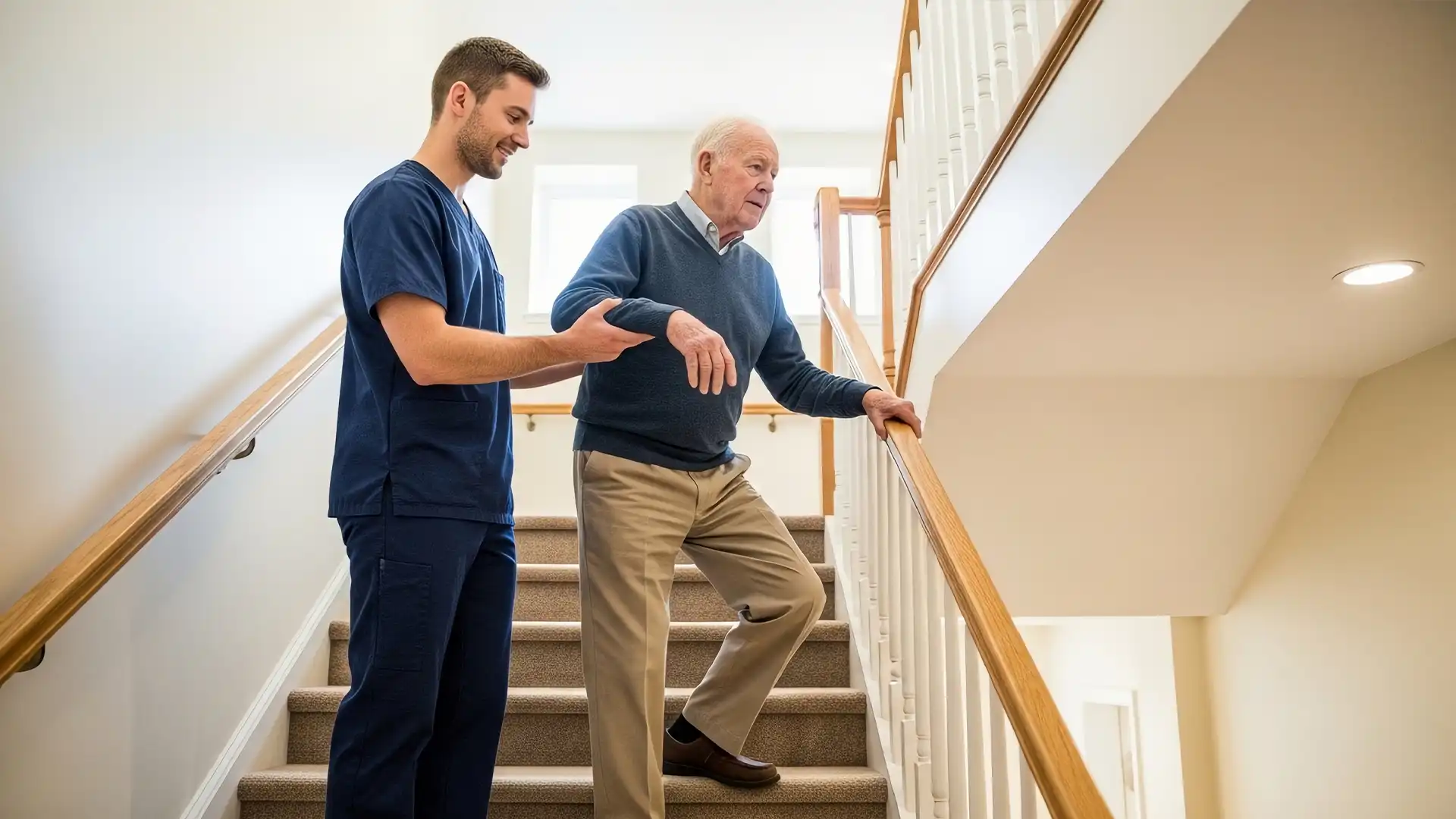
One of the best home care tips is to walk through your home with fresh eyes. Look for anything that could create a fall risk or make it harder to move safely, especially if your loved one uses a mobility device or needs assistance with bathing, grooming, and mobility during the day.
Consider these small changes:
- Remove loose rugs, electrical cords, and clutter from walkways.
- Make sure hallways, bedrooms, and living areas have enough space for a walker or wheelchair if one is needed.
- Install grab bars near the toilet and inside the shower or tub for extra stability.
- Brighten lighting in hallways, stairways, and the path to the bathroom, especially for nighttime trips.
- Place non-slip mats in bathrooms and kitchens where floors may become wet.
- Store frequently used items at waist level so your loved one doesn’t have to bend, reach, or climb.
These adjustments can improve home safety for seniors while helping loved ones continue aging in place comfortably.
Organize the Information Your Caregiver Will Need
Gathering important information before care begins helps caregivers focus on your loved one from day one.
Before care starts, put together:
- A current list of medications, including dosages and when each medication is taken.
- Emergency contact information, highlighting the primary care physician, preferred family contact, and any specialists.
- A note of food allergies, dietary restrictions, and favorite meals or snacks.
- A typical daily routine, such as wake-up times, meals, naps, hobbies, and preferred activities.
- Insurance cards, care authorization paperwork, and any medical documents your caregiver may need to reference.
Keep everything in one folder or binder so it’s easy to find and update.
Talk with Your Loved One About Having a Caregiver
Preparing emotionally is just as important as preparing the home. Having someone new provide care can feel like a big change, even when it’s the right decision for everyone involved.
Ask about your loved one’s preferences for:
- Daily routines
- Privacy and personal space
- Favorite activities
- Meal preferences
- How they’d like assistance offered
These conversations help personalize care from the start while reinforcing that caregivers are there to support independence, not take it away.
The first few visits may feel unfamiliar, but that usually becomes easier as trust and routines develop.
Set Up the Space for the Caregiver
A few preparations can help daily care run more smoothly.
Try to set aside:
- A small area for supplies, notes, or personal belongings during each shift.
- Easy access to the kitchen, bathroom, linens, and other spaces the caregiver will use regularly.
- A comfortable sleeping space if overnight care is part of the care plan.
- A secure way for caregivers to enter the home, such as a spare key, lockbox, or entry code.
Sharing household preferences, such as where cleaning supplies are kept, whether shoes should be removed, or how pets should be handled, helps avoid surprises and makes everyone feel more at ease.
Ready to Start? Avid Health at Home Is Here to Help
Just like every family is different, so is every home. That’s why the team at Avid Health at Home is here to help you think through home preparation based on your loved one’s needs.
Starting the conversation doesn’t require a commitment. It’s simply a chance to ask questions and explore your options. Whether you’re just beginning aging in place home preparation or are ready to start care, we can help you determine what makes the most sense for your family.
Contact us today and learn how in-home care can help your loved one continue living safely, comfortably, and with dignity.