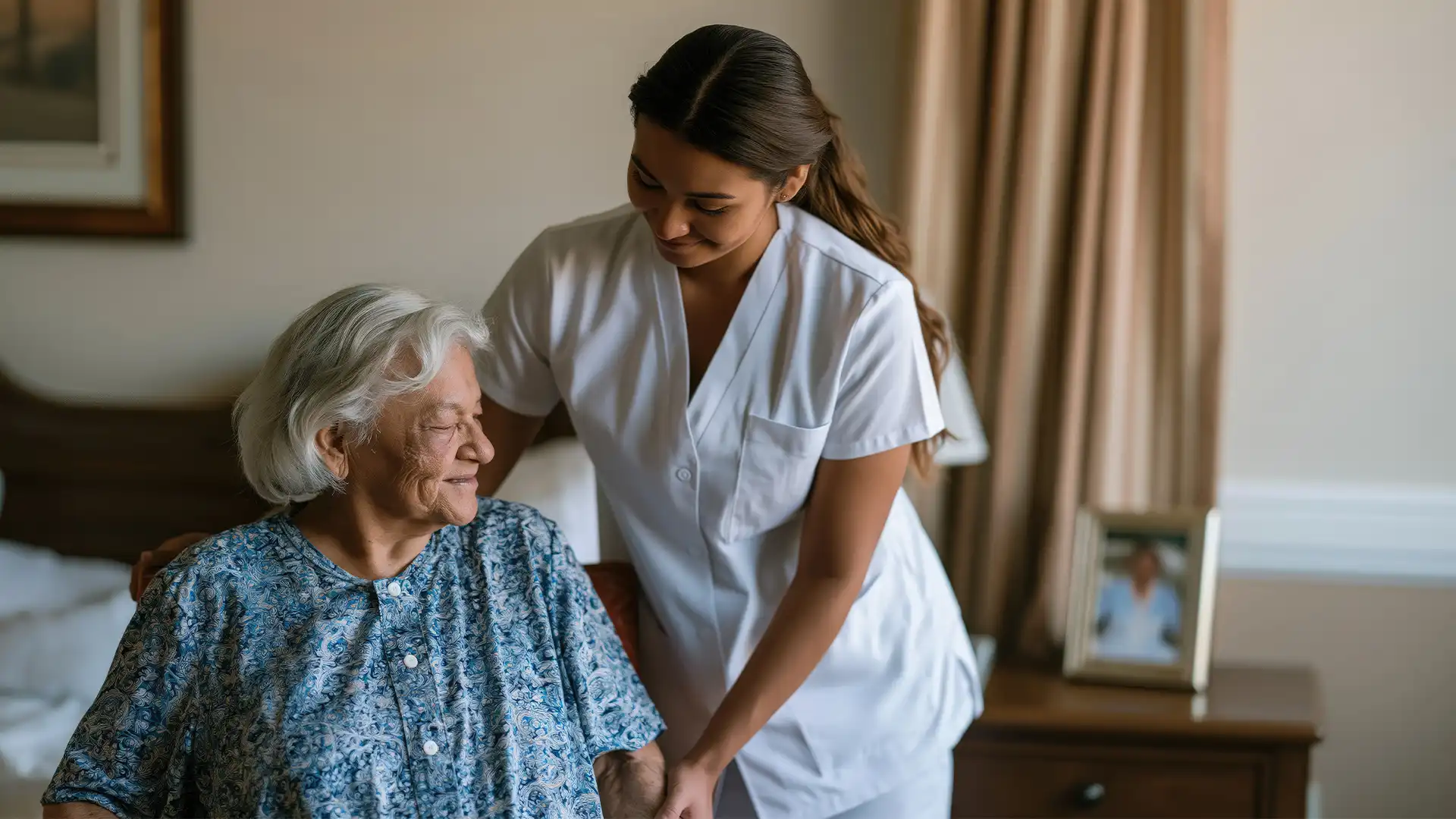
Bringing a loved one home after surgery is a relief, but it also comes with a quiet kind of worry. You want them comfortable and healing, yet you may not feel equipped to manage medications, mobility, or wound care on your own. That uncertainty is completely normal, and it’s exactly where in-home care services can help.
Key Takeaways:
- The first days home after surgery carry the highest risk for falls, missed medications, and setbacks.
- Non-medical support with mobility, hygiene, and meals frees the recovering person to rest and heal.
- A safe home setup and a clear routine reduce complications and readmission risk.
- In-home caregivers coordinate with the family so nothing falls through the cracks.
- Care flexes as recovery progresses, scaling back as independence returns.
Why the First Days Home Matter Most
The transition from hospital to home is one of the most vulnerable points in recovery. Your loved one may still be adjusting to medication side effects, limited mobility, and simple fatigue from the procedure itself.
A few common challenges tend to surface early:
- Fatigue and anesthesia effects can raise the risk of falls
- Pain management and medication schedules are easy to lose track of without support
- Wound care instructions and follow-up appointments can feel like a lot to manage at once
- Trying to do too much too soon is one of the most common causes of setbacks
None of this means something has gone wrong. It simply means the first stretch of recovery benefits from an extra set of hands.
How In-Home Care Supports Recovery
In-home caregivers focus on the day-to-day personal care and non-medical support that makes healing easier. This includes:
- Help with bathing, dressing, and moving safely around the home
- Meal preparation that supports healing and hydration
- Medication reminders so doses stay on schedule
- Light housekeeping and errands, so the home stays safe and calm
- Companionship, which eases the isolation that can come with a long recovery
This kind of support doesn’t replace medical care. For recoveries that involve clinical needs like wound care, private duty nursing can provide that skilled support. Otherwise, in-home care fills the gaps between hospital discharge and full independence, so your loved one can focus on rest rather than logistics.
Setting Up the Home for a Safe Recovery
A few adjustments before discharge can make daily movement around the house safer and less taxing:
- Clear walkways and remove trip hazards like loose rugs and cords
- Keep frequently used items within easy reach to limit reaching and bending
- Set up a rest space on the main floor if stairs will be a challenge
- Add grab bars or a shower seat where mobility is limited
These changes are simple, but they make a real difference in reducing fall risk and easing strain during the first few weeks home.
Knowing When Extra Support Is Needed
Every recovery looks different, and it’s worth pausing to consider whether more support would help. Many of the same signs it’s time for in-home support apply here too. Some signs it might be time to bring in extra help:
- Recovery is taking longer or proving more complex than expected
- The family caregiver is exhausted or juggling work and other responsibilities
- Your loved one lives alone or needs overnight support
- Care needs are changing, and a more flexible plan would help
Recognizing these signs early, rather than waiting until things feel unmanageable, often leads to a smoother recovery for everyone involved.
Recover Safely at Home With Avid Health at Home
At Avid Health at Home, we build a personalized care plan around your loved one’s specific recovery and daily routine. Whether that means a few hours of support each day or more consistent, around-the-clock care, our team adjusts as needs change.
Our caregivers are trained, compassionate, and coordinate closely with your family throughout the recovery process, so nothing falls through the cracks.
If you’re preparing for a loved one’s discharge or already navigating recovery at home, we’d welcome the chance to talk through what post-surgical support could look like for your family. Contact Avid Health at Home to start the conversation — there’s no pressure, just guidance when you need it.